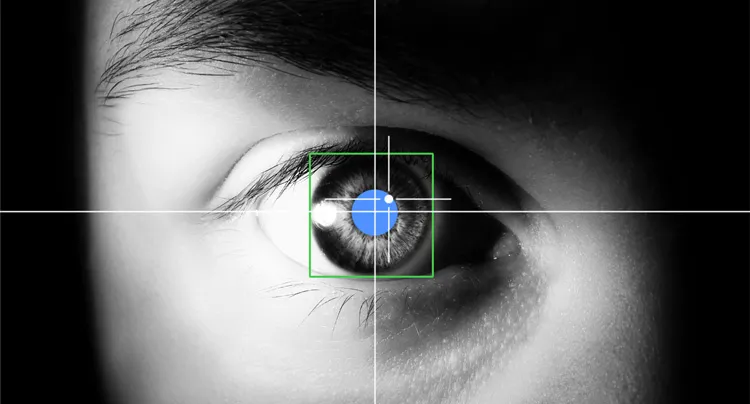
The integration of eye-tracking technology into laptops is redefining how users interact with their devices. This cutting-edge innovation tracks where the user’s gaze lands on the screen, enabling a more intuitive and efficient computing experience. From gaming to accessibility, eye-tracking technology is poised to revolutionize several laptop applications.
What Is Eye-Tracking Technology?
Eye-tracking technology uses infrared sensors and cameras to detect the movement and position of your eyes. It analyzes where you’re looking, how long you focus on specific areas, and even the motion of your pupils.
This information is then translated into commands or actions, allowing hands-free control and precise navigation in various applications.
Applications of Eye-Tracking in Laptops
1. Gaming
Eye-tracking is a game-changer for gaming laptops, providing a more immersive experience. Gamers can control in-game actions, aim weapons, or explore environments simply by looking. Companies like Tobii have partnered with laptop manufacturers to embed this feature in gaming laptops.
2. Productivity and Work Efficiency
Eye-tracking technology improves multitasking by allowing users to switch between applications or screens based on gaze. For instance, a document can scroll automatically as you read, reducing the need for manual input.
3. Accessibility Features
For individuals with mobility impairments, eye-tracking provides an alternative way to control laptops. Users can navigate menus, type text, and interact with applications without using a keyboard or mouse.
4. Security Enhancements
Some laptops with eye-tracking offer gaze-based authentication. This advanced biometric feature ensures that only authorized users can access the device by analyzing unique eye patterns.
5. Health Monitoring
Extended screen time can strain the eyes. Eye-tracking technology can monitor fatigue and recommend breaks or adjust screen brightness to minimize discomfort.
Popular Laptops with Eye-Tracking Technology
1. Alienware m15 R6
- Designed for gamers, this laptop features Tobii Eye Tracking, enabling enhanced in-game immersion.
- Users can aim, navigate, and even control the camera using their gaze.
2. Dell Latitude 9420
- Aimed at professionals, it includes eye-tracking for productivity and security purposes.
- Features gaze-based authentication and automatic screen dimming when you’re not looking at the display.
3. MSI GT76 Titan
- Combines high-performance gaming specs with Tobii Eye Tracking.
- Offers enhanced gaming experiences and multitasking efficiency.
Advantages of Eye-Tracking Technology in Laptops
- Enhanced Interaction: Provides a more natural and intuitive way to interact with the laptop.
- Hands-Free Control: Ideal for scenarios where physical input is impractical.
- Increased Accessibility: Makes laptops more usable for individuals with disabilities.
- Immersive Experiences: Takes gaming and multimedia to the next level.
Challenges and Limitations
- Cost: Laptops with integrated eye-tracking technology tend to be more expensive.
- Learning Curve: New users may need time to adjust to this mode of interaction.
- Privacy Concerns: Continuous monitoring of eye movements might raise privacy issues.
- Battery Usage: The technology can increase power consumption, slightly affecting battery life.
Future Prospects
As the technology becomes more affordable and refined, eye-tracking could become a standard feature in laptops. Beyond gaming and productivity, industries such as healthcare, education, and marketing could find innovative applications for eye-tracking laptops.
Eye-tracking technology is transforming laptops into more interactive and accessible devices, paving the way for a future where your gaze is the ultimate command.