Detachable keyboards have gained popularity in today’s versatile computing environment, especially with hybrid laptops and tablets. These keyboards allow users to switch between a full laptop experience and tablet mode. They offer flexibility in usage, catering to needs ranging from typing-heavy tasks to media consumption and mobility.
What Are Detachable Keyboards?
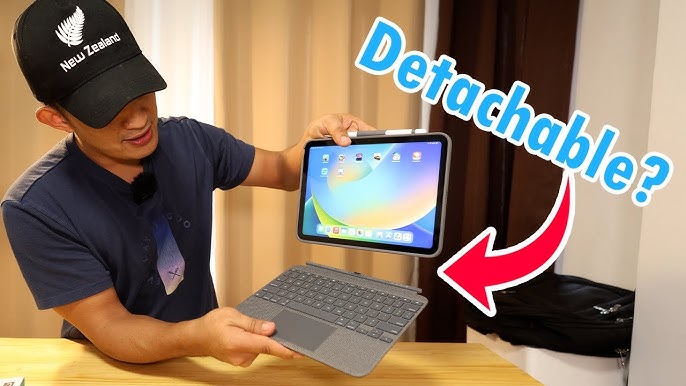
Detachable keyboards are external devices that can be physically removed from tablets or hybrid laptops. Unlike built-in keyboards on traditional laptops, these can be separated to transform the device into a tablet. They typically connect through a magnetic dock or Bluetooth, often doubling as a protective cover for the device.
Types of Detachable Keyboards
- Magnetic Dock Keyboards: These snap onto the device using magnets, providing a sturdy typing experience. They are common in hybrid devices like Microsoft Surface tablets.
- Bluetooth Keyboards: These connect wirelessly, offering greater freedom in placement. They are frequently used with tablets and smartphones for easy typing on the go.
- Folio Keyboards: Part of a folio case, these provide both protection and a detachable keyboard. They are portable and found in accessories for devices like iPads.
- Convertible Laptop Keyboards: Found on 2-in-1 laptops, the keyboard can be detached or folded behind the screen, switching between laptop and tablet modes.
Advantages
- Portability: They allow users to carry lighter devices, detaching the keyboard when it’s unnecessary.
- Versatility: These keyboards make it easy to switch between work and entertainment modes, offering a full typing experience or a touch interface.
- Space-Saving: Without a built-in keyboard, the device is smaller, fitting into tighter spaces.
- Comfort: Users can adjust the screen and keyboard positions for more ergonomic setups.
Disadvantages
- Typing Experience: Many detachable keyboards have shallow key travel, which may reduce comfort during long typing sessions.
- Fragility: Since they’re often thin and light, they tend to be more fragile than standard laptop keyboards.
- Power Dependency: Bluetooth keyboards require charging, which can cause inconvenience if the battery dies.
- Limited Features: Some lack advanced features like backlighting or full-sized layouts.
Ideal Users
- Professionals: Detachable keyboards suit those who move between workstations and need portability.
- Students: They offer a lightweight option for note-taking and reading.
- Artists and Creatives: Digital artists appreciate the ability to remove the keyboard for stylus use.
- Casual Users: For those who use their device for media consumption, detachable keyboards are convenient.
Conclusion
Detachable keyboards provide a blend of flexibility and functionality, perfect for those seeking an adaptable device. While they may lack the robustness of traditional keyboards, their versatility makes them a valuable option for various users.