modular laptops are emerging as a promising solution for sustainability, customization, and longevity. Unlike traditional laptops, modular laptops allow users to easily replace or upgrade components, reducing e-waste and enhancing the lifespan of the device. This growing demand stems from both environmental concerns and the desire for more user-friendly technology.
What Are Modular Laptops?
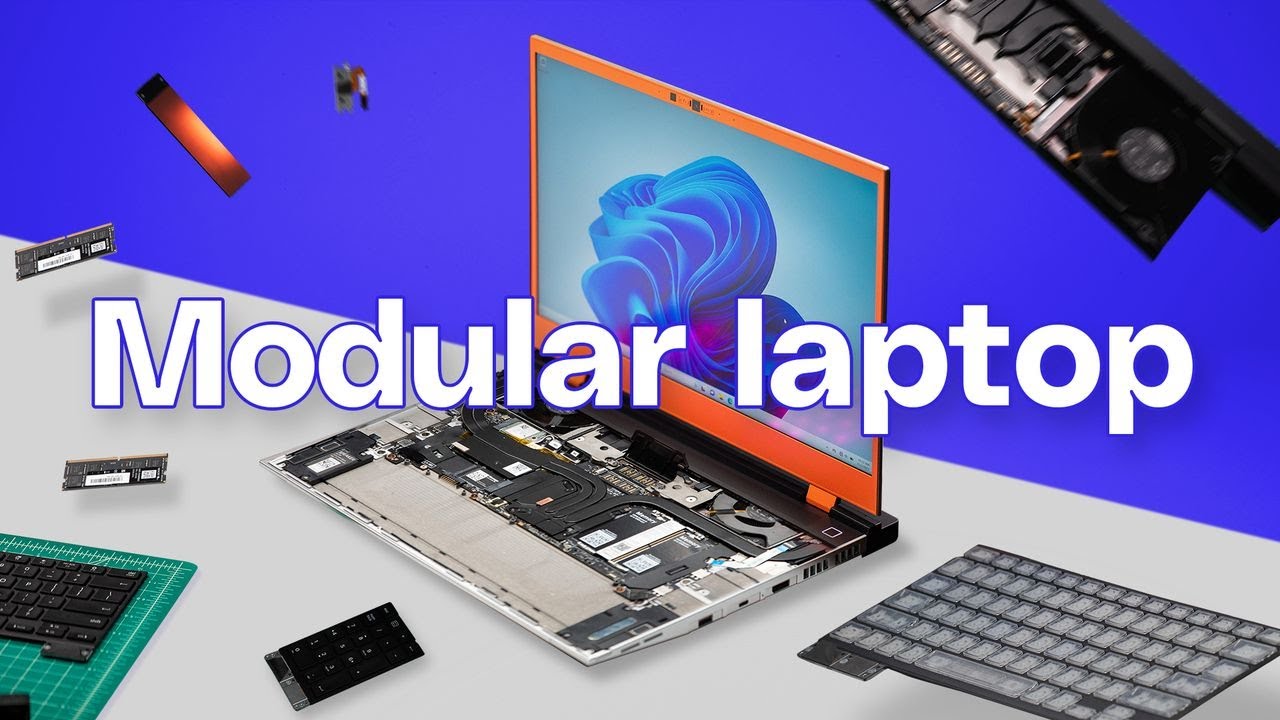
Modular laptops are designed with interchangeable components such as RAM, storage, batteries, and even processors. These laptops feature standardized modules that can be swapped out without professional assistance, making them highly adaptable to the user’s needs.
Key Features of Modular Laptops
- Customizability: Users can tailor their laptops to specific requirements, such as gaming, productivity, or multimedia use.
- Repairability: Damaged parts can be easily replaced, eliminating the need for costly repairs or entire replacements.
- Upgradeability: As technology advances, users can upgrade individual components to keep the device up-to-date.
Why Is the Modular Laptops Demand Rising?
1. Sustainability Concerns
The tech industry contributes significantly to global e-waste. Modular laptops address this by reducing the number of devices discarded due to minor issues or outdated components.
2. Cost Efficiency
Replacing a single component is far more economical than purchasing a new laptop. Modular laptops appeal to budget-conscious consumers who want to avoid frequent upgrades.
3. Customization Options
From gamers seeking high-performance GPUs to professionals needing additional storage, modular laptops offer a flexible solution for diverse needs.
4. Longevity
Traditional laptops often become obsolete within a few years due to un-upgradable hardware. Modular laptops extend their usability, making them a smarter investment.
Current Market Leaders in Modular Laptops
Framework Laptop
- Highlights: Fully modular with easy-to-replace parts, including display, keyboard, and ports.
- Sustainability: Uses recycled materials and offers detailed guides for repairs.
- Target Audience: Environmentally conscious users and DIY enthusiasts.
Dell Concept Luna
- Highlights: Focuses on sustainability with easily detachable components.
- Innovations: Uses fewer screws and modular batteries for quick disassembly.
- Target Audience: Business users and eco-conscious professionals.
Pine64 PineBook Pro
- Highlights: Open-source and modular with replaceable RAM, SSD, and battery.
- Affordability: Offers a budget-friendly alternative for tech-savvy users.
- Target Audience: Developers and open-source enthusiasts.
Challenges Facing Modular Laptops
1. Higher Initial Costs
The upfront cost of modular laptops can be higher due to their specialized design. However, the long-term savings often outweigh this initial expense.
2. Limited Availability
Modular laptops are not yet widely available, making it harder for average consumers to access them.
3. Compatibility Issues
Standardizing components across brands remains a challenge, limiting interchangeability.
4. Aesthetics and Portability
Some modular designs are bulkier compared to sleek, integrated laptops, which can deter style-conscious buyers.
The Future of Modular Laptops
As consumer awareness grows and technology advances, the adoption of modular laptops is expected to accelerate. Manufacturers are likely to address current challenges by:
- Offering more affordable models.
- Standardizing components for cross-brand compatibility.
- Improving aesthetics without compromising modularity.
Conclusion
The demand for modular laptops reflects a shift toward more sustainable and consumer-centric technology. With their potential to reduce e-waste, save money, and adapt to evolving needs, modular laptops represent a significant leap forward in the laptop industry.
For those looking to invest in future-proof technology, modular laptops are an option worth exploring.