
In 2026, one of the most confusing decisions for laptop buyers in Nigeria is choosing between 8GB RAM and 16GB RAM.
While many people focus only on processor types like Core i3, Core i5, or Core i7, the reality is that RAM (Random Access Memory) plays an equally important role in how fast and smooth your laptop feels.
Interestingly, many Nigerians still buy laptops with low RAM simply because they are cheaper. However, within a few months, those same users begin to experience slow performance, freezing applications, and frustrating multitasking delays.
Therefore, understanding the difference between 8GB and 16GB RAM is very important before spending your money.
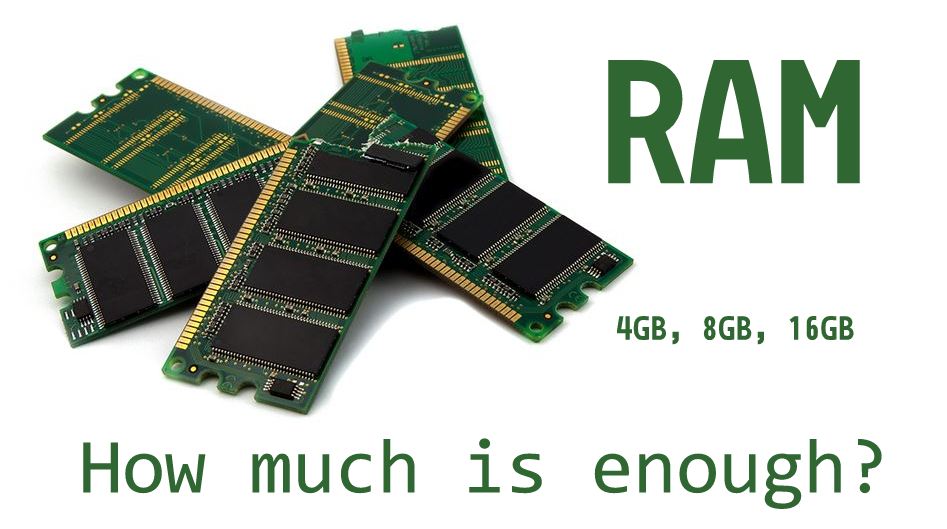
In this detailed guide, we will break everything down in a simple way so you can confidently choose the right RAM size based on your needs, budget, and long-term goals.
What is RAM and Why Does It Matter?
RAM stands for Random Access Memory, and it is one of the most important parts of your laptop.
In simple terms, RAM is your laptop’s short-term memory that helps it run applications quickly and smoothly.
For example, when you open Chrome, Microsoft Word, Photoshop, or Zoom, your RAM temporarily stores the data so your processor can access it quickly.
Consequently, the more RAM you have, the more tasks your laptop can handle at the same time without slowing down.
Moreover, RAM directly affects multitasking performance. If your RAM is too low, your laptop will struggle when you open multiple applications.
To understand better, you can also explore:
Best laptops under ₦200,000 in Nigeria
Understanding 8GB RAM Laptops
Currently, 8GB RAM laptops are considered the minimum standard for most users in Nigeria.
Although they are not the most powerful option, they still offer decent performance for everyday tasks.
What Can 8GB RAM Handle?
- Web browsing with multiple tabs
- Microsoft Office applications
- Online classes and Zoom meetings
- Light programming and coding
- Watching videos and streaming
- Basic photo editing
However, once you start pushing too many applications at the same time, performance may begin to slow down.
For instance, opening Chrome with 15–20 tabs while running Photoshop and Zoom simultaneously can cause lag.
Who Should Use 8GB RAM in Nigeria?
- Secondary school students
- University students on a budget
- Office clerks and basic computer users
- Writers and bloggers
- Light laptop users
In addition, 8GB RAM laptops are still good for people who mainly use their systems for browsing and document work.

Advantages of 8GB RAM
- More affordable than 16GB laptops
- Lower power consumption
- Good for basic tasks
- Works well with SSD storage
- Widely available in Nigeria
Disadvantages of 8GB RAM
- Limited multitasking capability
- Not ideal for heavy software
- Can slow down under pressure
- Less future-proof
Nevertheless, 8GB RAM laptops remain a solid choice for entry-level users in Nigeria.
Understanding 16GB RAM Laptops
On the other hand, 16GB RAM laptops represent a more powerful and future-ready option.
As a result, they are becoming increasingly popular among students, freelancers, and professionals in Nigeria.
Unlike 8GB RAM systems, 16GB RAM allows smoother multitasking and better handling of demanding applications.
What Can 16GB RAM Handle?
- Heavy multitasking with many browser tabs
- Professional video editing
- Graphic design software like Adobe Photoshop and Illustrator
- Programming and software development
- Data analysis and spreadsheets
- Virtual machines and advanced tools
- Gaming and streaming simultaneously
Moreover, 16GB RAM ensures that your laptop remains fast even after years of use, especially when software becomes more demanding.
Who Should Use 16GB RAM in Nigeria?
- University students in tech fields
- Freelancers and remote workers
- Video editors and content creators
- Software developers
- Business professionals
- Gamers and designers
In addition, professionals who use heavy software daily will benefit significantly from 16GB RAM.
Advantages of 16GB RAM
- Excellent multitasking performance
- Better future-proofing
- Smooth performance under heavy workload
- Improved gaming experience
- Ideal for professional software
Disadvantages of 16GB RAM
- Higher cost
- May be unnecessary for basic users
- Slightly higher power usage
8GB vs 16GB RAM: Direct Comparison
| Feature | 8GB RAM | 16GB RAM |
|---|---|---|
| Performance | Good for basic use | Excellent for heavy tasks |
| Multitasking | Limited | Very strong |
| Gaming | Basic games | Advanced gaming |
| Video Editing | Light editing | Professional editing |
| Price | Affordable | More expensive |
| Future Proof | Moderate | High |
Clearly, while 8GB RAM is suitable for basic users, 16GB RAM is more powerful and long-lasting.
Why RAM Matters More in 2026
Today, software applications are becoming more advanced and resource-heavy.
Therefore, laptops with low RAM struggle to keep up with modern demands.
For example, Chrome alone can consume a large amount of RAM when multiple tabs are open.
Meanwhile, applications like Photoshop, AutoCAD, and Zoom require additional memory to run smoothly.
Consequently, users with only 8GB RAM may experience slow performance over time.
To better understand laptop performance, you can read:
Best laptops for students in Nigeria
RAM and Processor: Which One is More Important?
Although many Nigerians focus on processors like Core i3 or Core i5, RAM is equally important.
In fact, a weak processor with enough RAM can sometimes perform better than a strong processor with low RAM.
For instance:
- Core i5 + 8GB RAM = balanced performance
- Core i3 + 16GB RAM = surprisingly smooth multitasking
- Core i7 + 8GB RAM = powerful but limited multitasking
Therefore, both RAM and processor must be considered together when buying a laptop.
Should Students in Nigeria Choose 8GB or 16GB RAM?
For most Nigerian students, 8GB RAM is still acceptable, especially if they are on a tight budget.
However, students in technical or creative fields should strongly consider 16GB RAM.
Moreover, university students studying engineering, computer science, or architecture will benefit more from 16GB RAM due to heavy software usage.
Additionally, students involved in freelancing or online work should also consider upgrading to 16GB for better productivity.
RAM Choice for Remote Workers and Freelancers
Remote work opportunities are increasing rapidly in Nigeria.
As a result, many freelancers now work with international clients using platforms like Fiverr, Upwork, and LinkedIn.
For remote workers:
- 8GB RAM is suitable for basic tasks like writing and virtual assistance
- 16GB RAM is better for design, coding, and multitasking
Furthermore, if you want to explore remote work guides, visit:
How to earn on Fiverr in Nigeria
Common Mistakes Nigerians Make When Choosing RAM
- Buying 8GB RAM without checking upgrade options
- Ignoring SSD storage and focusing only on RAM
- Choosing low RAM for professional tasks
- Not considering future software requirements
- Assuming all laptops perform the same
Moreover, many buyers fail to check whether the RAM is upgradeable, which can limit future performance.
Best RAM Recommendation Based on Budget
₦150,000 – ₦200,000
- 8GB RAM recommended
- Focus on SSD storage
₦200,000 – ₦350,000
- 8GB to 16GB RAM (upgradeable preferred)
₦350,000 and Above
- 16GB RAM strongly recommended
Internal Learning Links for Better Decisions
- Best laptops under ₦150,000 in Nigeria
- Best laptops under ₦300,000 for freelancers
- MacBook vs Windows laptops in Nigeria
- Gaming vs regular laptops explained
Final Verdict: Which Should You Choose?
Ultimately, the choice between 8GB and 16GB RAM depends on your usage and budget.
Choose 8GB RAM if:
- You are a basic user
- You are a student on a budget
- You only do light tasks
Choose 16GB RAM if:
- You multitask heavily
- You use professional software
- You want long-term performance
- You are a freelancer or remote worker
Therefore, while 8GB RAM is still useful, 16GB RAM is clearly the better long-term investment for most professionals in Nigeria in 2026.
Conclusion
In conclusion, RAM plays a critical role in laptop performance, especially as software becomes more demanding in 2026.
Although 8GB RAM laptops are still widely used in Nigeria, 16GB RAM systems offer significantly better performance, multitasking ability, and future-proofing.
Finally, before buying any laptop, always consider your workload, budget, and future needs to avoid regrets.