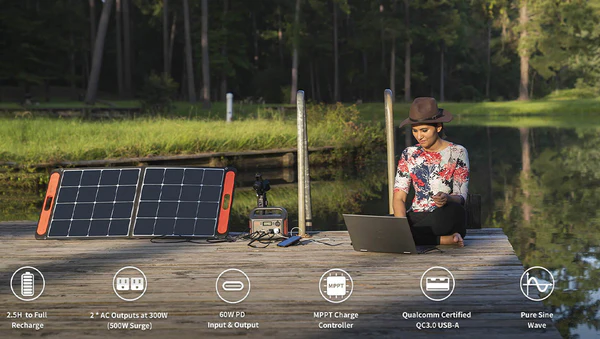
As the demand for energy-efficient and environmentally friendly technology grows, integrating solar charging panels into laptops is emerging as a game-changing trend. By harnessing renewable energy, solar-powered laptops cater to both eco-conscious users and those seeking enhanced portability in off-grid scenarios.

1. How Solar Charging Panels Work in Laptops
Solar charging panels convert sunlight into electrical energy, which charges the laptop’s battery. These panels are either:
- Built-In: Embedded into the laptop’s surface, typically the lid.
- External: Portable solar panels connected via USB or specialized ports.
The efficiency of solar charging depends on factors like panel size, sunlight intensity, and battery capacity.
2. Benefits of Solar Charging Panels in Laptops
- Energy Independence: Ideal for users in remote areas or with limited access to electricity.
- Eco-Friendliness: Reduces reliance on non-renewable energy sources, lowering carbon footprints.
- Cost Savings: Minimizes electricity usage, especially for frequent travelers and outdoor enthusiasts.
- Emergency Backup: Provides a reliable power source during outages or in disaster-prone regions.
3. Current Examples of Solar-Integrated Laptops
While the adoption of solar technology in laptops is still limited, notable developments include:
- Samsung NC215S: A netbook with a solar panel on the lid, providing up to one hour of use for every two hours of sunlight.
- Sol Laptop: Specifically designed for off-grid use, offering extended operation on solar power alone.
- Solar Panel Accessories: Brands like Anker and Goal Zero provide portable solar chargers compatible with a range of laptops.
4. Challenges in Solar Laptop Integration
Despite its advantages, solar laptop technology faces hurdles:
- Limited Charging Speed: Solar charging is slower compared to conventional methods.
- Dependence on Sunlight: Effectiveness decreases in cloudy conditions or indoors.
- Cost Implications: Incorporating solar panels increases production costs, affecting affordability.
5. Future of Solar-Powered Laptops
Innovations are driving solar integration forward, with prospects including:
- Improved Panel Efficiency: Advancements in photovoltaic technology will boost energy conversion rates.
- Hybrid Charging Systems: Combining solar power with traditional adapters for flexibility.
- Lighter Designs: Development of ultra-thin, lightweight solar panels to maintain portability.
Conclusion
Integrating solar charging panels into laptops represents a significant step toward sustainable technology. It offers a promising solution for eco-conscious users and off-grid adventurers. As the technology matures, we can expect more mainstream adoption and improved user experiences. For the latest in solar charging accessories and energy-efficient tech, visit Psero.com.