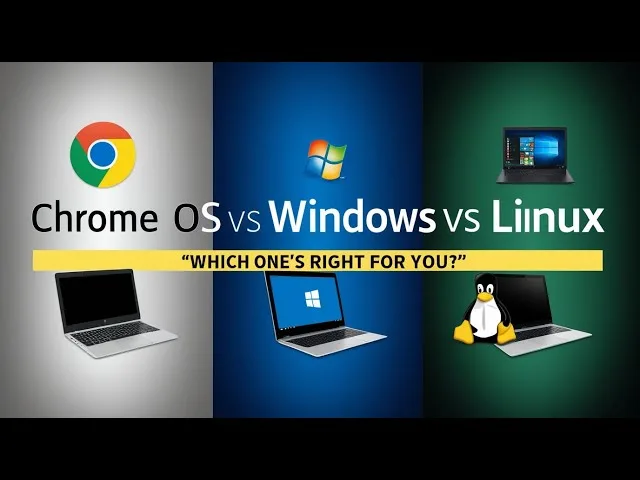
Windows 11 is the familiar choice for most laptop users. Linux gives you more control and flexibility, while ChromeOS focuses heavily on simplicity and web-based computing.
Choosing between them is not simply about picking the newest option. Your work, school needs, software requirements and technical experience should guide the decision.
If you are buying a UK-used laptop in Nigeria, the operating system deserves attention before you pay. A machine can have excellent hardware and still be a poor choice if its software does not support what you need.
Windows 11: The Safest Choice for Most Laptop Buyers
Windows 11 is the easiest recommendation for the average laptop buyer because it supports a huge range of applications, accessories and workflows.
Students can use Microsoft Office, browsers, video-conferencing apps and educational software. Freelancers can work with design tools, development environments and business applications. Many computer accessories also receive Windows drivers first.
Microsoft also provides official Windows 11 support and system requirements through its support platform:
Windows 11 makes sense for:
- Students
- Office workers
- Freelancers
- Business owners
- Web developers
- Content creators
- Users who need Microsoft Office
- People who want broad software compatibility
For someone buying a laptop mainly for work and study, Windows is usually the least complicated route.
It is also a strong match for many of the UK-used business laptops commonly found in Nigeria. Before buying one, however, check whether the hardware properly supports the version of Windows you intend to use. Our UK-used laptop buying checklist covers other important checks to make before paying.
Linux: More Freedom for Technical Users
Linux takes a different approach. Instead of one single operating system, Linux comes in many distributions, including Ubuntu, Linux Mint, Fedora and others.
That variety is one of its biggest strengths. It also means Linux can require more decision-making from the user.
Developers often appreciate Linux because many programming tools, command-line utilities and server technologies work naturally in the environment.
Ubuntu, for example, provides extensive documentation and support resources for users who want to learn the platform:
Linux is worth considering if you:
- Want to learn programming or Linux administration
- Work with servers
- Prefer open-source software
- Want greater control over the operating system
- Enjoy customizing your computer
- Want to revive an older laptop
There is one important catch. Some Windows-only applications may not work natively on Linux.
Compatibility layers and alternative applications can solve some problems, but they are not always perfect. Therefore, check your essential software before switching.
ChromeOS: Simple, Fast and Web-Focused
ChromeOS is designed around Google’s Chrome browser and cloud-based computing. It can be an excellent fit for people who spend most of their time online.
Web browsing, Google Docs, email, online learning, video calls and cloud storage are common ChromeOS workloads.
Google also provides ChromeOS Flex, which can allow supported older computers to run a ChromeOS-based environment:
That can make ChromeOS interesting when you have an older machine that feels too slow or outdated for some modern desktop environments.
ChromeOS can suit:
- Students who mainly use web applications
- People who browse the internet frequently
- Google Workspace users
- Users who want a simple interface
- Light office and school work
- Basic home computing
Heavy desktop software is where ChromeOS can become less suitable. Someone who depends on specialised Windows applications should investigate compatibility before making the switch.
Windows 11 vs Linux vs ChromeOS at a Glance
| Feature | Windows 11 | Linux | ChromeOS |
|---|---|---|---|
| Ease of use | Very high | Varies by distribution | Very high |
| Software compatibility | Excellent | Good, but varies | Best for web-based apps |
| Customisation | Good | Excellent | Limited |
| Gaming | Best overall choice | Improving | Limited |
| Programming | Excellent | Excellent | Good for web/cloud workflows |
| Office work | Excellent | Good | Good for cloud-based work |
| Learning curve | Low | Low to high | Very low |
What About Older UK-Used Laptops?
This is where the choice becomes particularly important for Nigerian buyers.
A used laptop may arrive with an older Windows installation, no operating system, or a system that needs to be reinstalled. Do not assume that the operating system alone tells you whether the laptop is good.
Hardware condition still matters. Check the keyboard, screen, ports, storage, RAM, charger, hinges and overall physical condition before focusing on software.
For students working with limited budgets, our guide to UK-used laptops for students in Lagos can help when comparing suitable machines.
Can You Install Linux Instead of Windows?
In many cases, yes.
Linux can be installed on compatible laptops, either replacing Windows or alongside it in a dual-boot setup. However, hardware compatibility should be checked first.
Wi-Fi adapters, graphics hardware, fingerprint readers and other components can behave differently depending on the Linux distribution and available drivers.
For that reason, testing Linux from a live USB before permanently installing it can be a sensible approach for technical users.
Can an Old Laptop Become Useful Again?
Sometimes the operating system is only part of the problem.
An older computer with limited RAM and a slow hard drive may feel frustrating under a modern desktop environment. Installing a lightweight Linux distribution can sometimes make the machine more responsive.
Still, software cannot repair failing hardware. A damaged SSD, defective RAM, overheating system or faulty motherboard will remain a problem regardless of the operating system.
Storage upgrades and memory upgrades can therefore make more difference than simply changing Windows to Linux.
What Should Students Choose?
For most Nigerian students, Windows remains the straightforward option.
Microsoft Office compatibility, browsers, school platforms, printing and general software support make it practical for everyday academic work.
Linux becomes attractive when the student is studying computer science, software development, cybersecurity, networking or another technical field where Linux skills provide useful experience.
ChromeOS can work well for students whose school activities are primarily browser-based. Before choosing it, confirm that the required school applications work properly on the platform.
If your main goal is learning technology skills, our guide to laptops for learning tech skills in Nigeria provides another useful starting point.
What Should Freelancers Choose?
Freelancers should begin with their software rather than the operating system.
A writer working mostly in Google Docs may be comfortable with ChromeOS. A programmer may prefer Linux. Someone handling Microsoft Office documents, accounting applications, design software or Windows-specific business tools will probably find Windows more convenient.
The same principle applies to remote workers. If your income depends on a particular application, verify compatibility before changing operating systems.
For people combining business work with a limited budget, you can also see our recommendations for business and freelancing laptops under ₦300,000.
Common Mistakes When Choosing an Operating System
1. Choosing based only on appearance
An operating system can look attractive while still being unsuitable for your work. Software compatibility should come first.
2. Assuming Linux is automatically faster
Linux can run very well on modest hardware, but performance depends on the distribution, desktop environment and hardware configuration.
3. Buying a Chromebook for Windows-only software
ChromeOS is excellent for many web-based tasks, but it is not simply Windows with a different interface.
4. Ignoring hardware compatibility
Changing operating systems does not eliminate problems caused by faulty hardware. Test the machine properly before buying.
5. Installing an unfamiliar system without a backup
Operating system changes can involve formatting or partitioning storage. Important files should be backed up before making major changes.
Which Operating System Should You Buy?
There is no universal winner.
Choose Windows 11 if you want broad software compatibility, easy setup and a familiar desktop environment.
Choose Linux if you want more control, enjoy technical work or specifically need a Linux-based development environment.
Choose ChromeOS if your computing life is mainly based around web applications, Google services and simple everyday tasks.
For most people buying a general-purpose laptop in Nigeria, Windows remains the safest starting point. Technical users, however, may find Linux more suitable, while light users can get excellent value from ChromeOS-compatible hardware.
Bottom Line
The operating system is part of the laptop-buying decision, not an afterthought.
Before paying for a machine, think about the applications you use, the type of work you perform and how much control you want over the computer.
A good laptop should match both your hardware needs and your software needs. Once those two sides agree, choosing the right operating system becomes much easier.
For buyers comparing laptops in Lagos, start with the actual work you want to do, then choose the operating system that supports it without unnecessary complications.