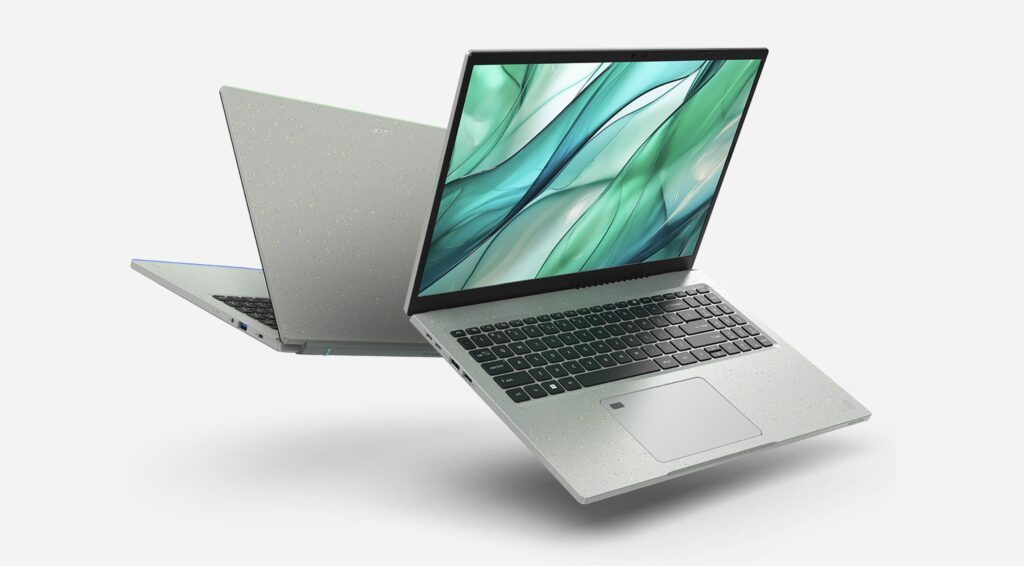
As environmental concerns take center stage, technology companies are increasingly prioritizing sustainability in product design and manufacturing. Carbon-neutral laptops represent a significant step towards reducing the tech industry’s environmental footprint, addressing challenges like carbon emissions, resource depletion, and waste management.
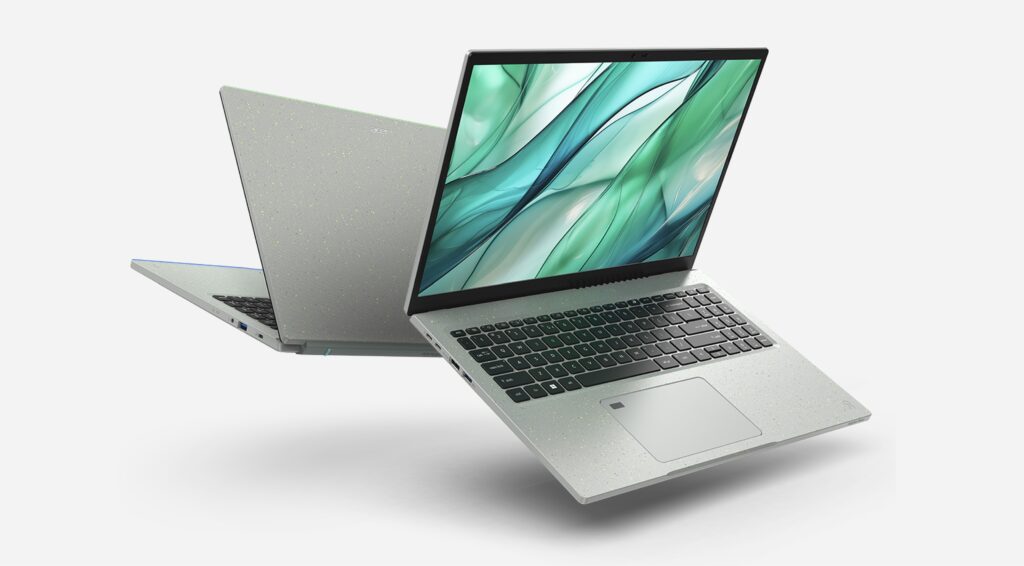
What Are Carbon-Neutral Laptops?
Carbon-neutral laptops are devices whose entire lifecycle—production, distribution, usage, and disposal—has a net-zero carbon footprint. This is achieved by minimizing emissions during manufacturing and compensating for unavoidable emissions through renewable energy use or carbon offset programs.
Key Features of Carbon-Neutral Laptops
- Sustainable Materials:
- Use of recycled aluminum, plastics, and biodegradable materials reduces the need for virgin resources.
- Conflict-free and responsibly sourced minerals ensure ethical production.
- Energy Efficiency:
- Low-power processors and components optimize energy usage during operation.
- Enhanced battery technology prolongs life cycles, reducing e-waste.
- Green Manufacturing Practices:
- Factories powered by renewable energy minimize emissions.
- Efficient supply chain management lowers transportation-related carbon footprints.
- Recyclability:
- Designs allow for easier disassembly and recycling at the end of life.
- Modular components enable upgrades without replacing the entire device.
Examples of Carbon-Neutral Efforts in Laptops
- Dell’s Sustainability Initiatives:
Dell aims for a carbon-neutral supply chain by 2050, with products using up to 50% recycled or renewable materials. - Apple MacBook Series:
Apple’s MacBooks incorporate recycled aluminum and are manufactured using 100% renewable energy in some facilities. - HP Sustainable Impact Goals:
HP’s Dragonfly series features ocean-bound plastics and comes in fully recyclable packaging.
Benefits of Carbon-Neutral Laptops
- Environmental Protection: Reduces greenhouse gas emissions and conserves natural resources.
- Consumer Appeal: Aligns with the growing preference for sustainable products.
- Cost Savings: Energy-efficient designs lower electricity bills and extend device lifespan.
Challenges
- Cost of Production: Sustainable materials and technologies can increase manufacturing costs.
- Market Availability: Limited options for carbon-neutral laptops currently exist.
- Recycling Infrastructure: Effective recycling requires global collaboration and investment.
The Road Ahead
The push towards this laptops signals a broader shift in the tech industry, driven by both environmental responsibility and consumer demand. As more companies adopt sustainable practices, carbon-neutral laptops will likely become a standard, rather than an exception.
For more insights on sustainable technology, explore Psero.com