The future of computing is evolving with the introduction of next-generation processors and graphics technologies. These innovations offer significant improvements in performance and efficiency, affecting everything from gaming to AI and beyond.
1. Advanced Semiconductor Manufacturing
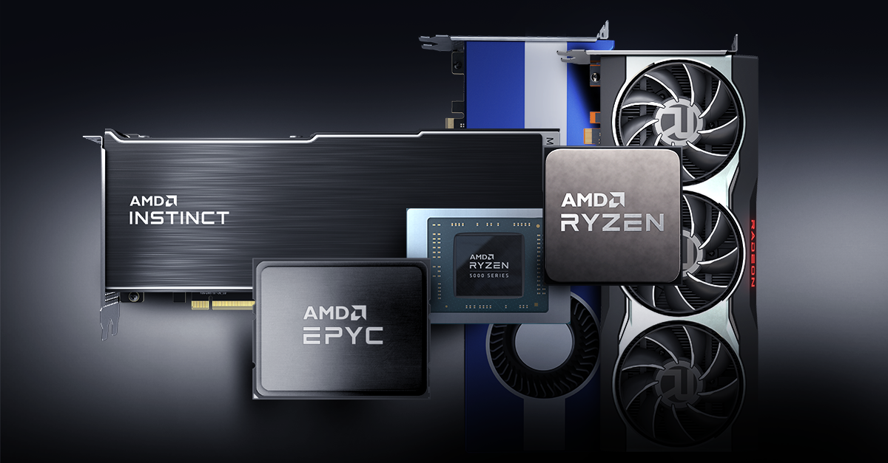
Chipmakers like Intel, AMD, and NVIDIA are moving toward 5nm and 3nm manufacturing nodes, increasing transistor density and reducing power consumption. This transition allows processors to achieve higher performance while consuming less energy. As a result, Intel’s Core and AMD’s Ryzen processors are becoming more powerful and efficient.
2. AI-Accelerated Processors
Additionally, AI-accelerated chips are becoming essential for modern computing needs. These processors, including NVIDIA’s Tensor Core GPUs and Google’s TPUs, are designed to handle machine learning tasks with ease, making them a critical part of AI-driven applications.
3. Integration of CPU and GPU
Furthermore, the trend of integrating both CPU and GPU on a single chip is gaining traction. This integration reduces the need for separate chips, improving power efficiency and reducing overall system size. For instance, Apple’s M1 and M2 chips exemplify this trend, offering seamless performance across laptops and tablets.
4. Ray Tracing and Advanced Graphics
In the realm of graphics, ray tracing is taking gaming visuals to the next level. By simulating how light interacts with objects, ray tracing provides a more realistic gaming experience. Graphics cards like NVIDIA’s RTX 30 and 40 series and AMD’s Radeon RX series are now capable of delivering high-quality ray tracing effects.
5. Energy Efficiency and Sustainability
Moreover, as concerns over energy consumption rise, companies are focusing on creating more energy-efficient processors. Apple’s M1 and M2 chips are known for their impressive battery life, and future processors will continue to prioritize energy savings while maintaining top-tier performance.
6. Cloud and Edge Computing
With the rise of cloud and edge computing, the need for powerful processors has never been greater. Cloud gaming services such as Google Stadia rely on high-performance GPUs, while edge computing is improving data processing speeds in remote locations. This shift is driving demand for processors capable of handling intensive workloads.
7. Future-Proofing with Next-Gen Processors
Looking ahead, the development of processors that can support emerging technologies like quantum computing and 5G is essential. These future-proof processors will be pivotal in advancing industries and enabling new breakthroughs in tech.
Conclusion
Next-generation processors and graphics are setting the stage for the future of computing. With advancements in AI, gaming, energy efficiency, and cloud computing, these innovations will continue to shape how we interact with technology. Keep up with the latest developments at Psero.com.