Laptops are an essential part of daily life for many people, but their use often comes with the risk of heat exposure. Laptops generate heat during use, especially when running demanding applications, and prolonged contact with hot surfaces can potentially have an impact on the human body. Below, we explore the effects of laptop heat on health and how to manage it.
➡️ “Discover laptops with advanced features you never knew you needed! Check out our latest collection here: Psero Brand New Laptops – Feature-Packed Models.”
:max_bytes(150000):strip_icc()/GettyImages-186845374-58cf6d613df78c3c4f8522fd.jpg)
1. Skin Burns and Discomfort
One of the most immediate effects of laptop heat is skin discomfort. If a laptop gets too hot, especially around the base, the surface can reach temperatures that may cause mild burns or irritation. This is particularly true when laptops are used directly on laps for extended periods.
Symptoms of skin burns or discomfort can include:
- Redness or irritation
- Warmth or burning sensation in the affected area
- Blisters in extreme cases (from prolonged exposure)
Prolonged exposure to hot surfaces can also result in heat rashes or a condition called contact dermatitis, where the skin reacts to sustained pressure and warmth.
2. Reproductive Health Concerns (For Men)
There have been concerns about the potential effects of laptop heat on male reproductive health. The heat produced by laptops, especially when used on the lap, can increase the temperature in the scrotum. This can affect sperm production and quality over time, possibly leading to temporary infertility.
Studies have suggested that:
- Elevated scrotal temperature for prolonged periods may decrease sperm count and motility.
- Reproductive health could be temporarily affected, although the impacts are often reversible when heat exposure is minimized.
To mitigate this risk, it is advised to use laptops on hard surfaces like desks or tables, or use a laptop cooling pad when using the device for long periods.
3. Eye Strain and Fatigue
While laptop heat doesn’t directly affect the eyes, long periods of use often associated with laptop heat can lead to eye strain. When a laptop gets too hot, users might be inclined to work for longer periods or sit closer to the screen, which increases the risk of digital eye strain (also known as computer vision syndrome).
Symptoms of digital eye strain include:
- Dry eyes or eye irritation
- Blurry vision
- Headaches
- Neck and shoulder discomfort
To combat eye strain, follow the 20-20-20 rule: every 20 minutes, look at something 20 feet away for 20 seconds to give your eyes a break.
4. Overheating of Internal Components and System Performance
Excessive heat doesn’t only affect the human body but also the laptop itself. Overheating can degrade the laptop’s internal components, leading to:
- Slower performance
- System crashes or freezes
- Shortened lifespan of hardware (such as the CPU or hard drive)
While this doesn’t directly affect users physically, the reduced performance and potential for sudden shutdowns can cause frustration and longer usage times, indirectly leading to further strain on the body (e.g., neck pain from poor posture).
5. Headaches and Fatigue
Laptops that become too hot can also contribute to headaches or general fatigue. The combination of heat from the device, prolonged screen exposure, and poor posture can lead to tension headaches. These can result from a mix of:
- Heat-induced discomfort causing muscle tension in the neck or shoulders.
- Long periods of use without breaks, leading to mental fatigue.
To avoid this, make sure to take breaks, stay hydrated, and use ergonomic practices while working on a laptop.
6. Possible Long-Term Health Effects
Although the long-term health effects of laptop heat exposure are not fully understood, chronic exposure to heat from laptops and other electronic devices may contribute to reproductive issues, skin irritation, and increased stress on the body over time. However, more research is needed to determine whether the effects of laptop heat are significant over the long term.
How to Protect Yourself from Laptop Heat
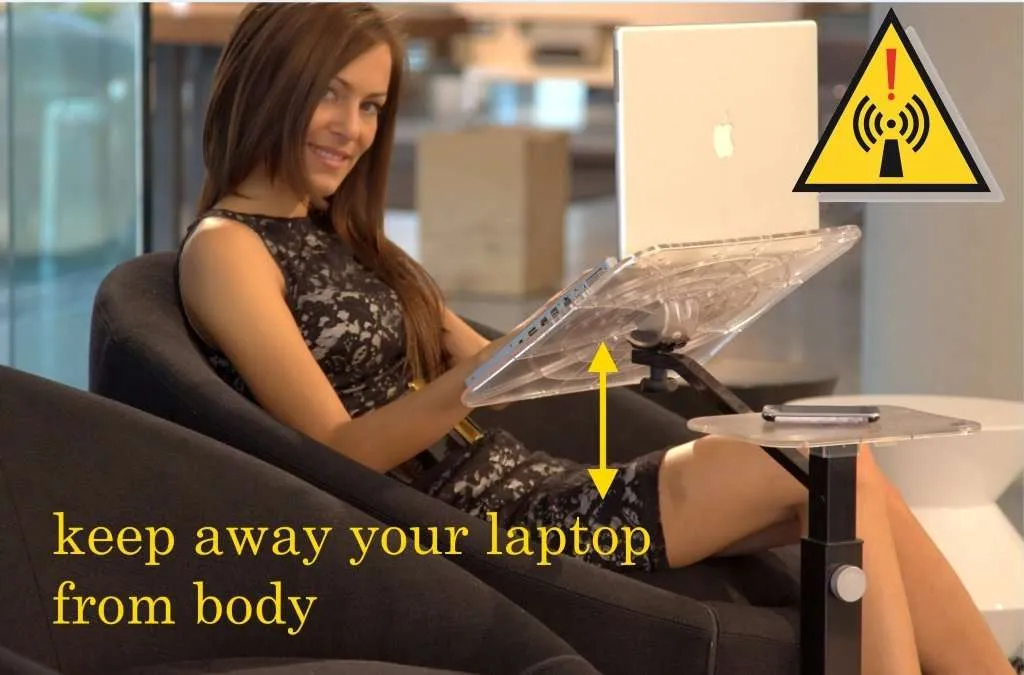
To minimize the negative effects of laptop heat on your body, consider the following tips:
- Use a cooling pad: A laptop cooling pad can help regulate temperature and prevent overheating.
- Place your laptop on a hard surface: Avoid using laptops on soft surfaces like beds or couches where airflow is restricted.
- Take breaks: Follow the 20-20-20 rule for eye strain and take regular breaks to stand, stretch, and change posture.
- Use external keyboards and mice: This helps you maintain an ergonomic position and prevents you from keeping your hands or body too close to the laptop.
- Keep the laptop clean: Regularly clean your laptop’s vents to ensure proper airflow and cooling.
Conclusion
While laptop heat may seem like a minor issue, it can have several effects on both your health and your device’s performance. Taking simple precautions, such as using cooling pads, taking regular breaks, and adjusting your usage habits, can go a long way in preventing the negative effects of laptop heat on the human body.