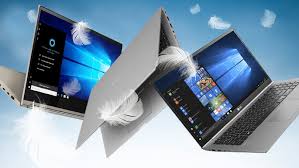
Laptops are getting thinner, lighter, and more powerful. People want portable devices that are easy to carry. Manufacturers are now focusing on sleek designs without sacrificing performance. here’s a guide to The Shift Towards Ultra-Thin and Lightweight Laptops
B
Why Are Laptops Getting Thinner and Lighter?
Several factors contribute to the growing trend of ultra-thin and lightweight laptops:
1. Better Processors
Modern chips, such as Apple’s M-series and Intel Evo, are more efficient, using less power and generating less heat. This allows for the creation of slimmer laptops without compromising on performance.
2. Solid-State Drives (SSDs)
Traditional hard drives (HDDs) were bulky and slow. With SSDs, laptops can be thinner, faster, and more durable, enabling manufacturers to reduce their size.
3. Improved Battery Technology
Lithium-polymer batteries are more compact and offer longer-lasting power. As a result, large battery compartments are no longer needed, making slim designs possible.
4. Consumer Demand
People want portable laptops for work, travel, and school. The desire for ease of transport and convenience drives the demand for lightweight devices.
Benefits of Ultra-Thin Laptops
Here are the key advantages of these sleek devices:
✔ Portability – Ideal for students, remote workers, and travelers who need a lightweight laptop. ✔ Long Battery Life – Efficient chips help achieve extended usage on a single charge. ✔ Sleek Design – A stylish, modern, and professional look that makes a statement. ✔ Fast Performance – Great for multitasking, office work, streaming, and casual usage.
Downsides of Ultra-Thin Laptops
While they offer numerous benefits, there are some drawbacks to consider:
❌ Fewer Ports – Slim laptops often lack essential ports like USB-A, HDMI, or SD card slots, requiring adapters for some devices. ❌ Limited Upgrades – Many ultra-thin laptops come with soldered RAM and storage, meaning you can’t upgrade them later. ❌ Higher Prices – Premium materials and advanced technology make these laptops more expensive.
Best Ultra-Thin Laptops in 2025
Here are some top-rated ultra-thin laptops to consider:
| Laptop | Weight | Thickness | Battery Life |
|---|---|---|---|
| Apple MacBook Air M2 | 1.24 kg | 11.3 mm | 18 hours |
| Dell XPS 13 Plus | 1.23 kg | 15 mm | 12+ hours |
| HP Spectre x360 14 | 1.36 kg | 16.9 mm | 15+ hours |
| Asus ZenBook 14 OLED | 1.39 kg | 16.9 mm | 14+ hours |
Should You Buy an Ultra-Thin Laptop?
Buy One If You: ✔ Need a lightweight and portable laptop for on-the-go use.
✔ Want a long battery life to last through an entire workday.
✔ Prefer a sleek, modern design with high-end performance.
Avoid One If You: ❌ Need many ports for accessories like HDMI or USB-A.
❌ Want to upgrade RAM or storage in the future.
❌ Do heavy gaming or video editing (ultra-thin laptops have limited cooling).
Final Thoughts
Ultra-thin laptops represent the future of portable computing. They offer a perfect balance of power, portability, and style. However, they may not suit everyone’s needs, especially if you require extensive ports or plan to upgrade your laptop in the future. Consider the pros and cons carefully before making your decision.
🔹 Looking for great laptop deals? Visit psero.com for the best prices in Nigeria!