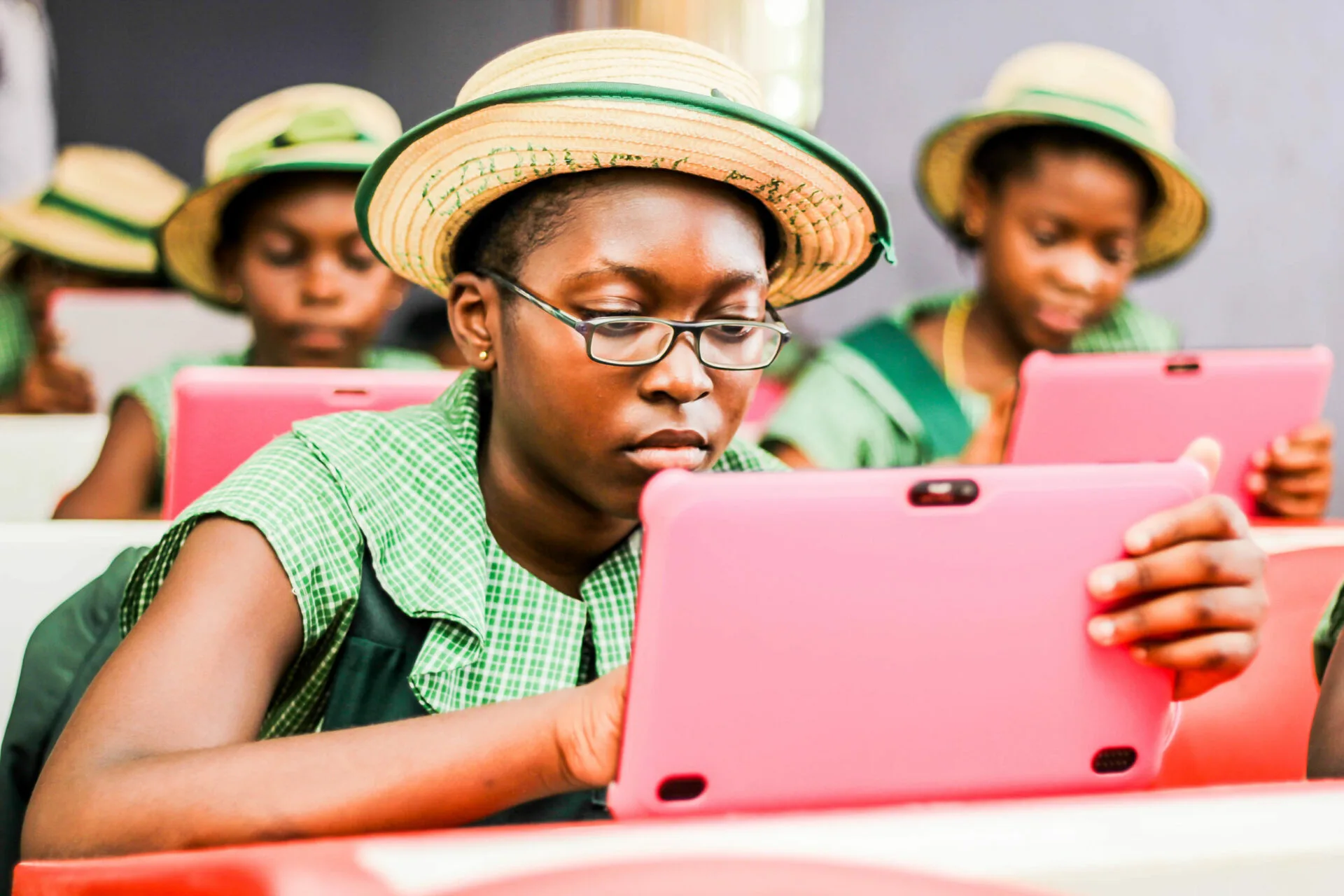
Walk into almost any university campus in Nigeria today and you’ll notice something immediately: nearly every student owns or regularly uses a laptop.
From writing assignments and preparing presentations to conducting research and attending virtual classes, technology has become an essential part of modern education. Yet many students arrive at university without strong computer skills, creating challenges that could have been avoided much earlier.
The truth is that digital literacy is no longer optional. Whether a student hopes to become a doctor, engineer, accountant, entrepreneur, or software developer, computer skills have become a fundamental requirement for success.
The Growing Importance of Digital Literacy
According to the UNESCO, digital skills are increasingly recognized as essential for participation in education, employment, and society.
In Nigeria, schools are gradually incorporating technology into learning, but many students still rely primarily on traditional classroom methods. While textbooks remain valuable, students who develop computer skills early often gain a significant advantage.
For example, a student researching a science project can access thousands of educational resources online, compare information from multiple sources, and develop stronger critical-thinking abilities.
Related:
Education in Nigeria: Challenges and Opportunities
Skills Students Can Learn Before University
Many people assume computer skills are only important for technology-related careers. In reality, they benefit students across every discipline.
Some of the most useful skills include:
- Microsoft Word
- Microsoft Excel
- PowerPoint presentations
- Online research techniques
- Email communication
- File organization
- Basic cybersecurity awareness
These skills help students become more productive and independent learners.
Related:
Why Digital Skills Matter for Students
How Technology Improves Learning
Technology provides students with opportunities that previous generations never had.
Instead of relying on a single textbook, learners can:
- Watch educational videos
- Access online libraries
- Join virtual study groups
- Practice with interactive learning platforms
- Explore global educational resources
This flexibility allows students to learn at their own pace while reinforcing classroom lessons.
Related:
How Digital Learning Is Transforming Africa
Common Challenges Students Face
Despite the benefits, many students struggle with technology because they lack regular access to computers.
Common obstacles include:
- Limited practical experience
- Lack of confidence using software
- Difficulty conducting research
- Poor typing skills
- Limited understanding of online safety
The earlier students begin developing these skills, the easier it becomes to adapt to modern educational requirements.
Choosing the Right Learning Tools
Parents often ask whether students need expensive computers.
In most cases, the answer is no.
For school assignments, research, educational software, and online learning, a reliable laptop is usually more important than an expensive one.
Students generally benefit from:
- 8GB RAM or more
- SSD storage
- Reliable battery life
- Durable construction
These features support everyday learning without unnecessary costs.
Preparing for the Future
The workplace is becoming increasingly digital. Employers expect graduates to be comfortable with technology and capable of using digital tools effectively.
Students who begin learning these skills early often feel more confident when they reach university and enter the workforce.
Technology alone does not guarantee success, but the ability to use it effectively has become an important advantage in modern education.
Final Thoughts
Computer literacy is no longer a specialized skill reserved for technology professionals. It has become a basic requirement for academic success and career readiness.
By developing digital skills early, students can improve their learning experience, increase productivity, and prepare themselves for future opportunities.
As education continues to evolve, one thing is becoming clear: students who learn how to use technology effectively today will be better prepared for tomorrow.